Funeral Resolutions
When faced with planning the funeral for a loved one, consider having a funeral resolution as part of the ceremony. This tribute is traditionally part of a religious funeral or memorial service. It follows a specific format and becomes part of the church's official records.
Funeral Resolutions vs. Eulogy
While a funeral resolution and eulogy are similar in nature, they are different types of tributes. A eulogy is a light-hearted speech filled with anecdotes, stories and memories about the deceased person's life. An immediate family member or close friend, such as a spouse or sibling, usually delivers a eulogy. See our information on how to write a eulogy for more information
In a church setting, a funeral resolution is a speech about the loved one's relationship with God. The tone is more serious and reverent. A member of the clergy or pastoral staff typically delivers the resolution; however, close family members and friends also present them.
You may want to find out what specifications or format, if any, to follow when writing the resolution. It helps if the loved one's attending church is the same religious institution where the funeral takes place.
Create the Perfect Funeral Program
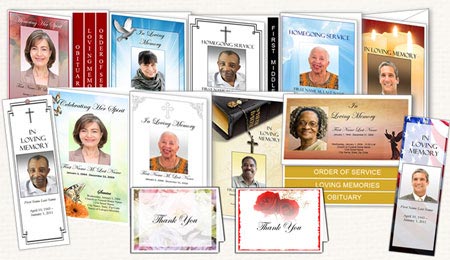
Save Time and Money with Funeral Program Templates
- Professional Designs formatted using Microsoft Word or Publisher
- All test can be changed, including the program title
- Flexible Designs and Layout
- Instant Download and Live customer support
Parts of a Funeral Resolution
When putting together resolutions for funerals, you need to gather several pieces of information, which can come from the church's pastor or staff and includes the name of church, how long the deceased person was an active member, his or her involvement in ministries and any personal stories the clergy may have.
The writer will then take this information and draft it into the resolution format. A funeral resolution comes in five parts:
Title: Include the deceased person's name (i.e. Resolution in Loving Memory of...)
Introduction of Faith: Needs to state that your loved one was a Godly person as well as stating that he or she died
Whereas Statements: Justifies the reasons for the resolution; each statement starts with "Whereas" and includes attributes about the deceased person. You can include a Bible verse and there is no limit to how many of these statements you can have but it is typically less than two pages.
Therefore Statements: This includes the pertinent information about the person who died such as the who, what, when and where. There are typically one or two "Therefore" statements.
Conclusion: A simple Bible verse or complimentary closing (i.e. Respectfully submitted by...)
Presenting the Funeral Resolution
A clergy or close family member will notify you of when and where to deliver your resolution. The church may even present a certificate or plaque of the funeral resolution for the family to keep. If you have been asked to present the resolution, practice it ahead of time in front of a mirror or close friend. It's also OK if you show some emotion. Remember, the best funeral resolutions come from the heart.